
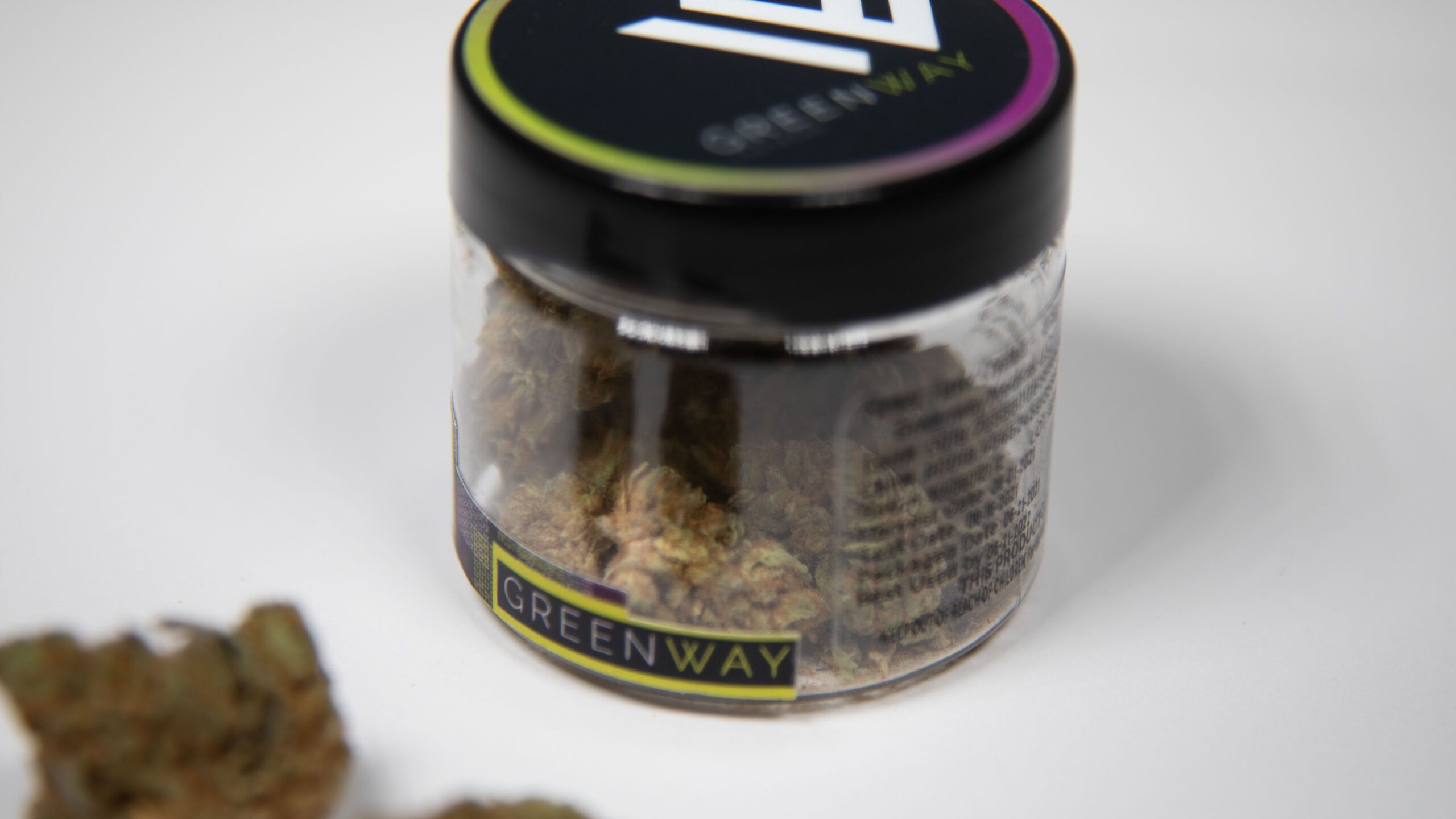
With legal cannabis widely available throughout the United States, consumers are increasingly prioritizing cannabis testing to ensure product quality and safety. Whether purchasing flower, edibles, or concentrates, choosing lab-tested cannabis is essential for avoiding harmful contaminants and ensuring accurate potency. Reliable testing verifies that products meet strict cannabis safety standards while delivering consistent effects. By understanding how cannabis is tested, consumers can make informed decisions and confidently select products that align with their needs and expectations.
What Is Cannabis Testing?
Cannabis testing is the process of analyzing products in state-licensed, independent laboratories to verify safety, potency, and regulatory compliance. Through third-party cannabis testing, these labs provide unbiased results to ensure products meet strict state standards before reaching consumers. A key outcome of this process is the cannabis Certificate of Analysis (COA), a detailed report outlining cannabinoid levels, contaminant screening, and overall product quality. By reviewing cannabis lab results, both regulators and consumers can confirm that products are accurately labeled, free from harmful substances, and safe for consumption.
How Potency Is Measured
Potency testing determines the concentration of cannabinoids such as THC, CBD, and other minor compounds that influence a product’s effects. Using advanced methods like High-Performance Liquid Chromatography (HPLC), labs can accurately measure THC potency levels without altering the chemical composition during analysis. This process generates a detailed cannabinoid profile, helping consumers understand the balance of compounds and select products that match their desired experience. Accurate reporting of CBD levels and THC content supports proper dosing, product consistency, and reliable labeling.
Safety Testing: What Labs Look For
In addition to potency, cannabis testing labs screen for harmful contaminants to ensure products are safe for consumption. Comprehensive cannabis contaminants testing includes pesticides used during cultivation, heavy metals such as lead and mercury absorbed from soil, microbial threats like mold and bacteria, and residual solvents from extraction processes. These substances can pose serious health risks if inhaled or ingested, making rigorous pesticide testing cannabis protocols essential. State regulators set strict pass or fail limits, allowing only products that meet these safety standards to reach dispensary shelves and helping consumers choose safe cannabis products with confidence.
Understanding Your Lab Results (COA Breakdown)
A cannabis Certificate of Analysis (COA) provides a clear snapshot of what is in your product and is essential for informed purchasing. When learning how to read a cannabis COA, focus on the cannabinoid profile, which lists THC, CBD, and other compounds, along with any available terpene data that may indicate flavor and effects. The report also shows pass or fail results for safety screenings, confirming the absence of harmful contaminants. Many products include QR codes that link directly to cannabis lab results, making it easier for consumers to verify quality and choose safe, accurately labeled cannabis.
In Summary
As the U.S. cannabis market grows, understanding the role of cannabis testing is essential for making safer, more informed choices. From verifying potency to identifying harmful contaminants, lab testing ensures products meet strict quality standards and deliver consistent effects. By choosing safe cannabis products in the USA that include transparent lab reports, consumers can feel confident in what they are using. Prioritizing tested cannabis benefits not only protects individual health but also supports a more accountable and trustworthy cannabis industry.